Neolamprologus tretocephalus - (No Online Purchases)
Description:
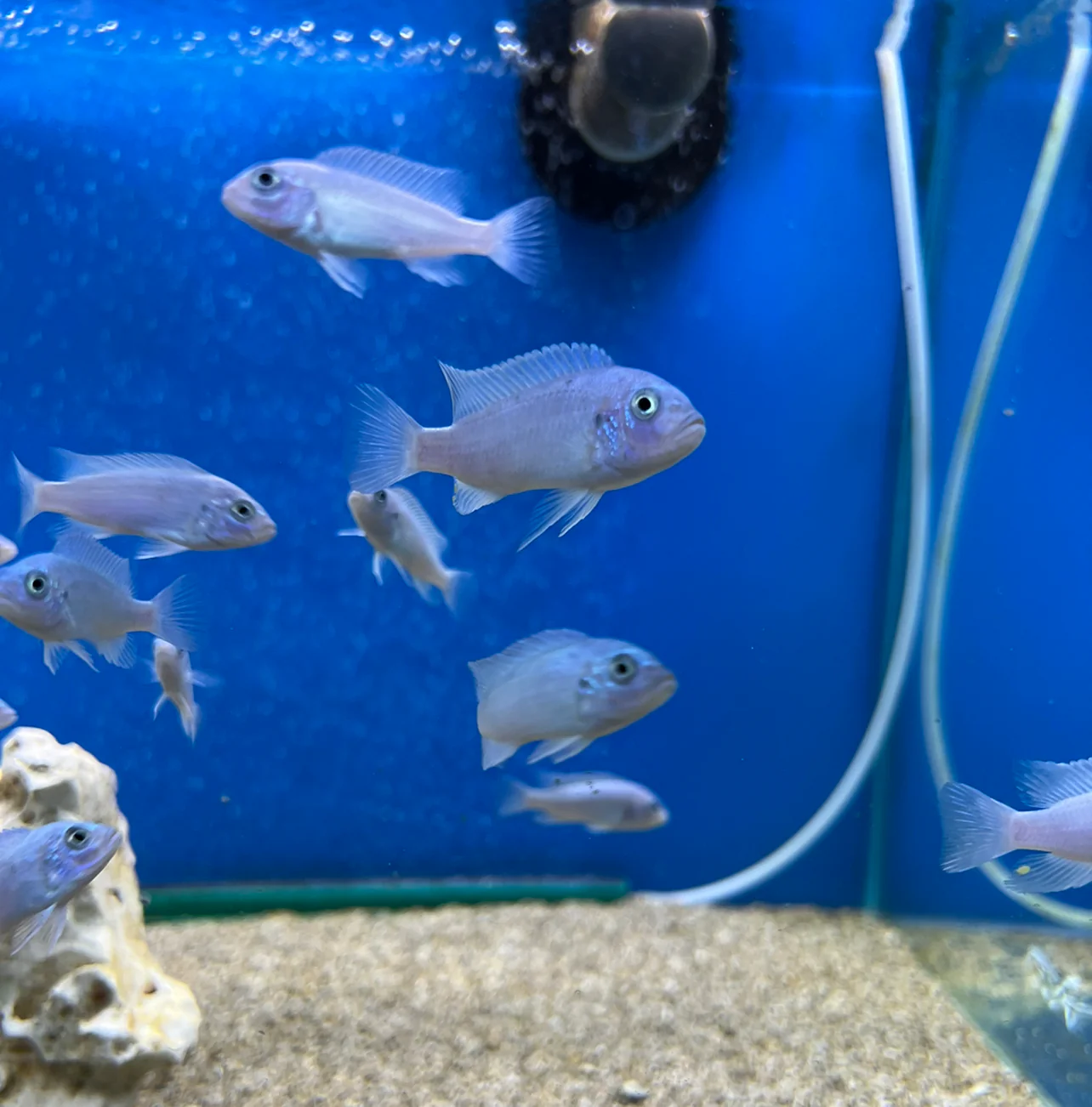
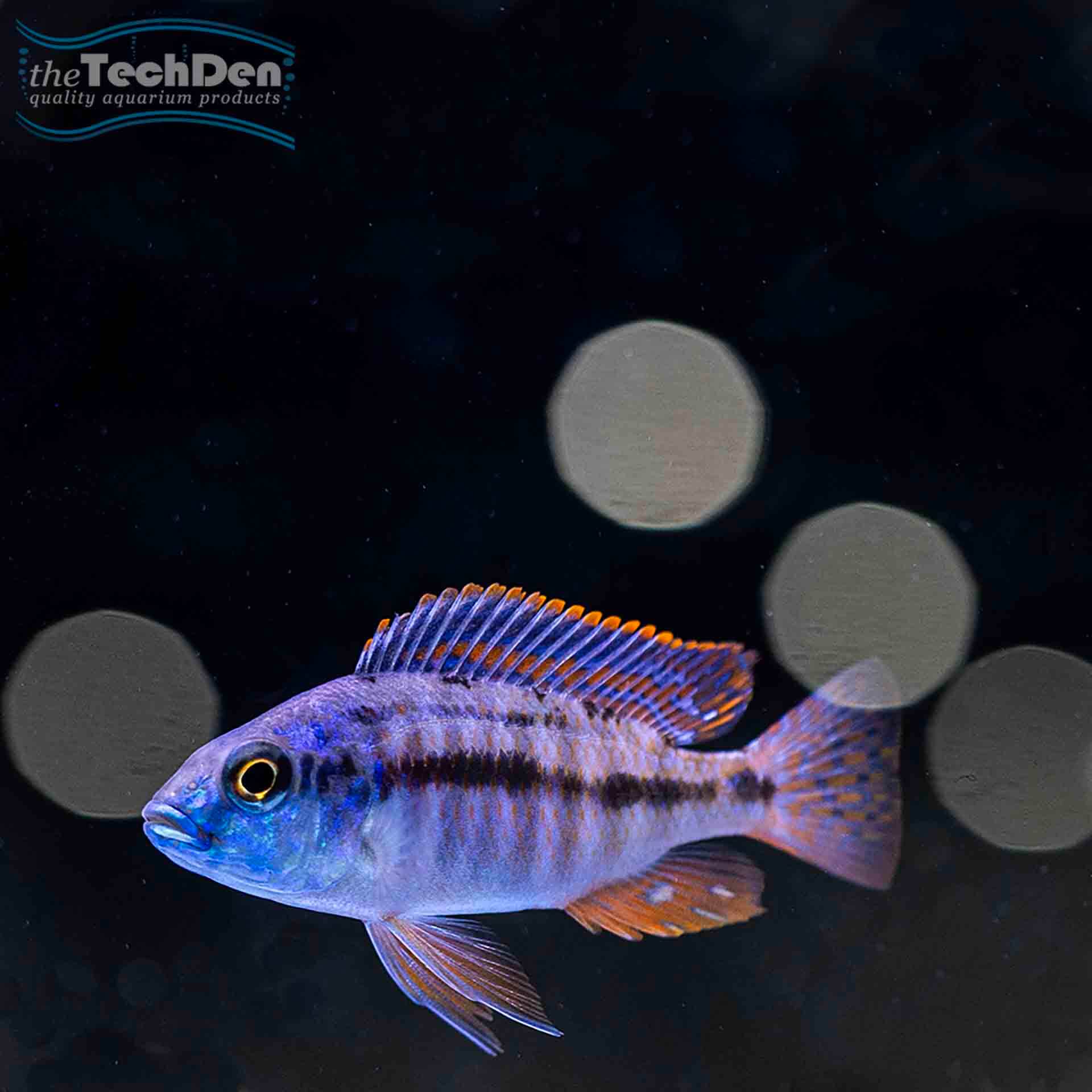
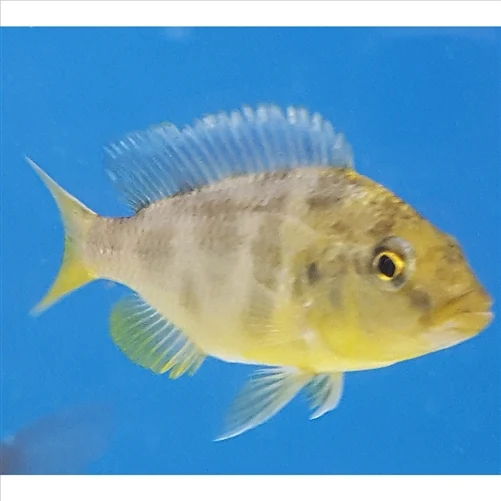
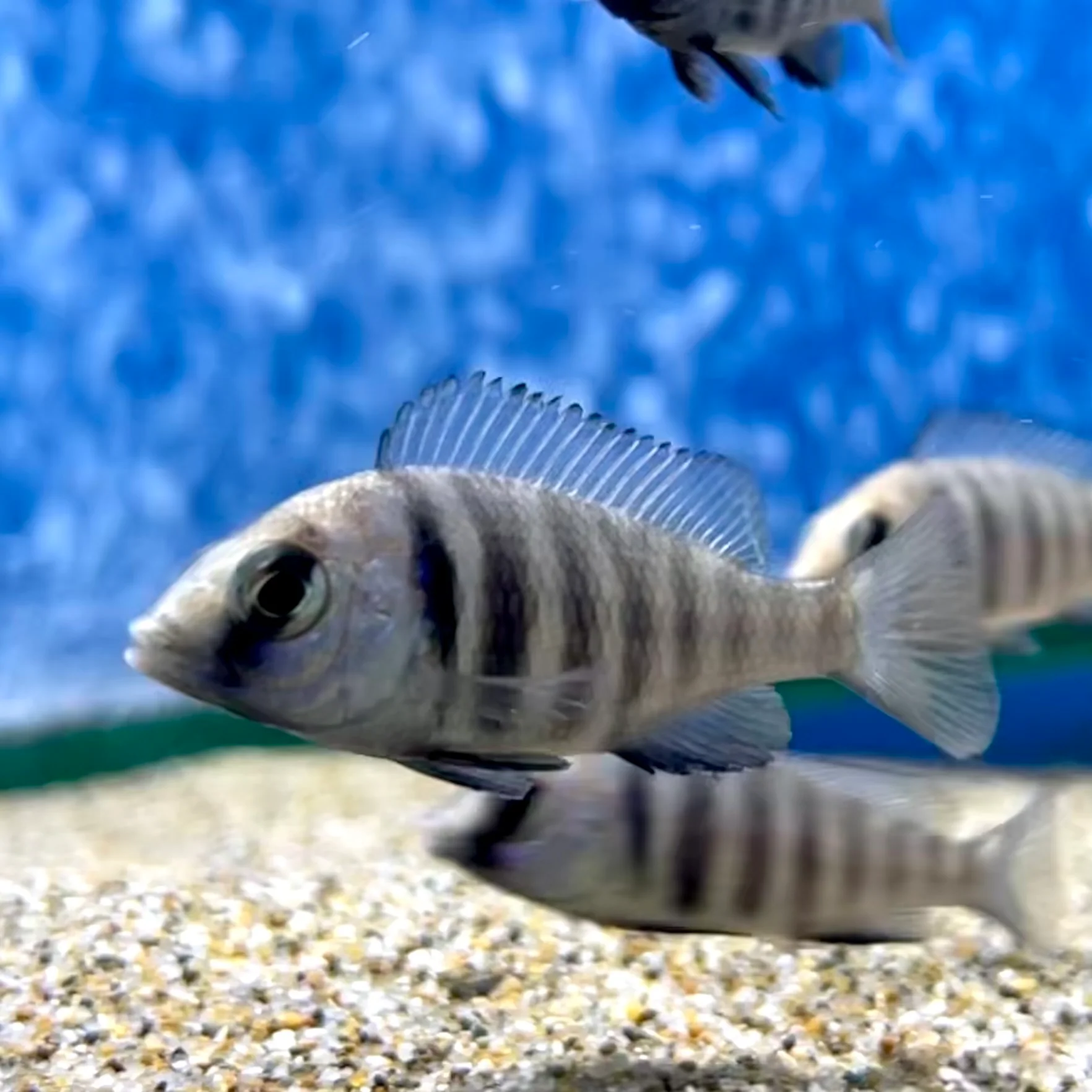
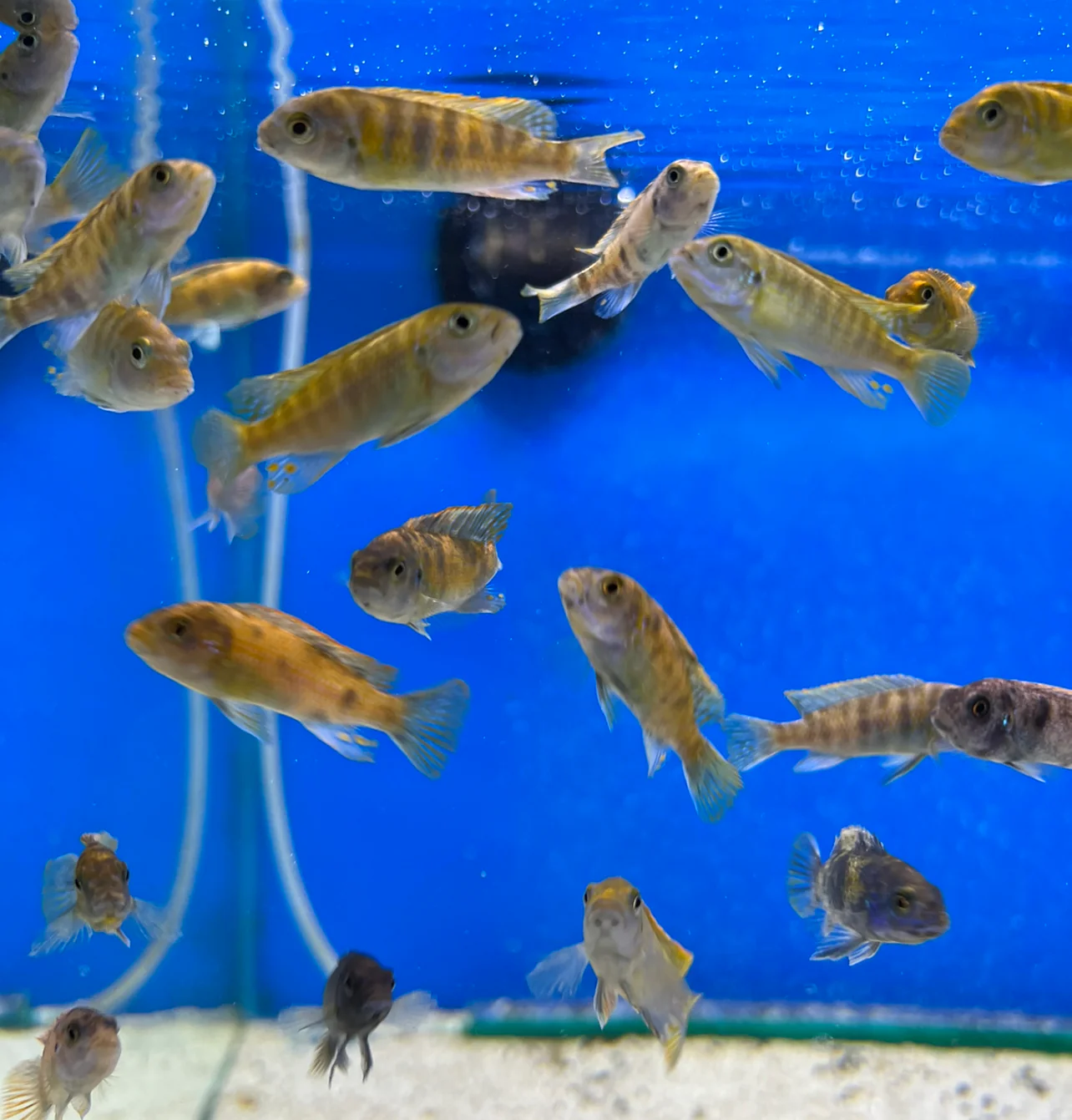
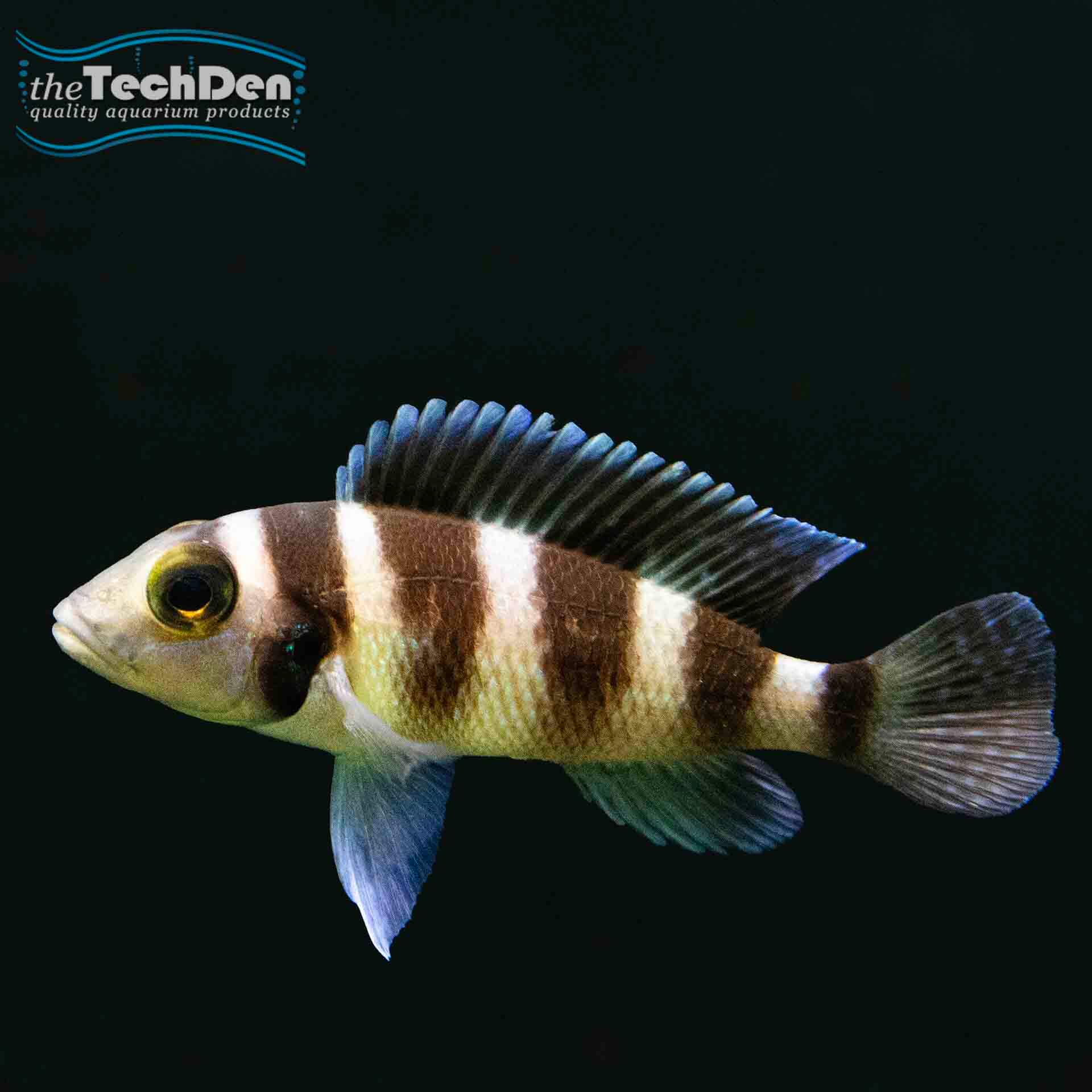
Often called the "Poor Man’s Frontosa" or "Trets," Neolamprologus tretocephalus is a striking Tanganyikan cichlid known for its bold black-and-white bars and electric blue fin edges. While they look like miniature Frontosas, their personality is much more aggressive and territorial.
Tank Requirements
Trets are rock-dwellers that also appreciate sandy open spaces. They are powerful swimmers and notoriously territorial.
Minimum Tank Size: 170–200 Litres for a single specimen or a bonded pair. For a community, a 4-foot (200–300 Litres) tank is the recommended minimum to provide enough "buffer room" for other fish.
Substrate: Fine sand (aragonite or coral sand is best to help buffer the pH).
Decor: Extensive rockwork is essential. Create numerous caves and crevices to provide hiding spots and break lines of sight. They are known to excavate sand around their chosen cave.
Lid: Use a tight-fitting lid; they are known jumpers, especially when spooked or during aggressive chases.
Water Parameters
Like all Lake Tanganyika cichlids, they require hard, alkaline water and high stability.
Temperature: 24°C – 27°C
pH: 7.8 – 9.0
Hardness: 10 – 25 dGH
Maintenance: They are sensitive to nitrates. Frequent, moderate water changes (15–20% weekly) are better than large, infrequent ones to maintain stable chemistry.
Diet & Feeding
In the wild, Trets are specialised hunters that feed on molluscs and other invertebrates.
Primary Diet: High-quality carnivorous pellets or flakes.
Treats: Frozen or live foods such as mysis shrimp, krill, and brine shrimp.
Snail Control: They are excellent natural snail-eaters and will actively hunt small snails in the substrate.
Temperament & Compatibility
This is the most challenging aspect of keeping Trets. They are among the most aggressive Neolamprologus species.
Conspecific Aggression: They are extremely intolerant of their own kind. Unless you have a confirmed mated pair, keep only one per tank.
Suitable Tank Mates: Choose robust Tanganyikan species that occupy different niches:
Mid-water: Cyprichromis (to act as dither fish).
Rock-dwellers: Large Julidochromis or Altolamprologus (Calvus/Compressiceps), provided the tank is large enough.
Catfish: Synodontis species are usually ignored and can hold their own.
Species to Avoid: Small shell-dwellers (who may be harassed) or other similarly barred fish (like N. sexfasciatus), which will trigger intense aggression.
Breeding
Trets are bi-parental cave spawners, but they are notoriously difficult to pair up in captivity.
The Pairing Process: It is best to start with a group of 5–6 juveniles and let them pair off naturally. Once a pair forms, the remaining fish must be removed, or the pair will likely kill them.
Weak Bonds: Even bonded pairs have "weak" bonds. If the male becomes too aggressive toward the female between spawns, ensure she has plenty of small crevices he cannot fit into.
Fish Size:
- Grows to 10 - 15 cm
Temperature:
- 24°C – 27°C
Water pH:
- 7.8 – 9.0
Origin:
- Lake Tanganyika (East Africa)
Description:
Often called the "Poor Man’s Frontosa" or "Trets," Neolamprologus tretocephalus is a striking Tanganyikan cichlid known for its bold black-and-white bars and electric blue fin edges. While they look like miniature Frontosas, their personality is much more aggressive and territorial.
Tank Requirements
Trets are rock-dwellers that also appreciate sandy open spaces. They are powerful swimmers and notoriously territorial.
Minimum Tank Size: 170–200 Litres for a single specimen or a bonded pair. For a community, a 4-foot (200–300 Litres) tank is the recommended minimum to provide enough "buffer room" for other fish.
Substrate: Fine sand (aragonite or coral sand is best to help buffer the pH).
Decor: Extensive rockwork is essential. Create numerous caves and crevices to provide hiding spots and break lines of sight. They are known to excavate sand around their chosen cave.
Lid: Use a tight-fitting lid; they are known jumpers, especially when spooked or during aggressive chases.
Water Parameters
Like all Lake Tanganyika cichlids, they require hard, alkaline water and high stability.
Temperature: 24°C – 27°C
pH: 7.8 – 9.0
Hardness: 10 – 25 dGH
Maintenance: They are sensitive to nitrates. Frequent, moderate water changes (15–20% weekly) are better than large, infrequent ones to maintain stable chemistry.
Diet & Feeding
In the wild, Trets are specialised hunters that feed on molluscs and other invertebrates.
Primary Diet: High-quality carnivorous pellets or flakes.
Treats: Frozen or live foods such as mysis shrimp, krill, and brine shrimp.
Snail Control: They are excellent natural snail-eaters and will actively hunt small snails in the substrate.
Temperament & Compatibility
This is the most challenging aspect of keeping Trets. They are among the most aggressive Neolamprologus species.
Conspecific Aggression: They are extremely intolerant of their own kind. Unless you have a confirmed mated pair, keep only one per tank.
Suitable Tank Mates: Choose robust Tanganyikan species that occupy different niches:
Mid-water: Cyprichromis (to act as dither fish).
Rock-dwellers: Large Julidochromis or Altolamprologus (Calvus/Compressiceps), provided the tank is large enough.
Catfish: Synodontis species are usually ignored and can hold their own.
Species to Avoid: Small shell-dwellers (who may be harassed) or other similarly barred fish (like N. sexfasciatus), which will trigger intense aggression.
Breeding
Trets are bi-parental cave spawners, but they are notoriously difficult to pair up in captivity.
The Pairing Process: It is best to start with a group of 5–6 juveniles and let them pair off naturally. Once a pair forms, the remaining fish must be removed, or the pair will likely kill them.
Weak Bonds: Even bonded pairs have "weak" bonds. If the male becomes too aggressive toward the female between spawns, ensure she has plenty of small crevices he cannot fit into.
Fish Size:
- Grows to 10 - 15 cm
Temperature:
- 24°C – 27°C
Water pH:
- 7.8 – 9.0
Origin:
- Lake Tanganyika (East Africa)
Description
Description:
Often called the "Poor Man’s Frontosa" or "Trets," Neolamprologus tretocephalus is a striking Tanganyikan cichlid known for its bold black-and-white bars and electric blue fin edges. While they look like miniature Frontosas, their personality is much more aggressive and territorial.
Tank Requirements
Trets are rock-dwellers that also appreciate sandy open spaces. They are powerful swimmers and notoriously territorial.
Minimum Tank Size: 170–200 Litres for a single specimen or a bonded pair. For a community, a 4-foot (200–300 Litres) tank is the recommended minimum to provide enough "buffer room" for other fish.
Substrate: Fine sand (aragonite or coral sand is best to help buffer the pH).
Decor: Extensive rockwork is essential. Create numerous caves and crevices to provide hiding spots and break lines of sight. They are known to excavate sand around their chosen cave.
Lid: Use a tight-fitting lid; they are known jumpers, especially when spooked or during aggressive chases.
Water Parameters
Like all Lake Tanganyika cichlids, they require hard, alkaline water and high stability.
Temperature: 24°C – 27°C
pH: 7.8 – 9.0
Hardness: 10 – 25 dGH
Maintenance: They are sensitive to nitrates. Frequent, moderate water changes (15–20% weekly) are better than large, infrequent ones to maintain stable chemistry.
Diet & Feeding
In the wild, Trets are specialised hunters that feed on molluscs and other invertebrates.
Primary Diet: High-quality carnivorous pellets or flakes.
Treats: Frozen or live foods such as mysis shrimp, krill, and brine shrimp.
Snail Control: They are excellent natural snail-eaters and will actively hunt small snails in the substrate.
Temperament & Compatibility
This is the most challenging aspect of keeping Trets. They are among the most aggressive Neolamprologus species.
Conspecific Aggression: They are extremely intolerant of their own kind. Unless you have a confirmed mated pair, keep only one per tank.
Suitable Tank Mates: Choose robust Tanganyikan species that occupy different niches:
Mid-water: Cyprichromis (to act as dither fish).
Rock-dwellers: Large Julidochromis or Altolamprologus (Calvus/Compressiceps), provided the tank is large enough.
Catfish: Synodontis species are usually ignored and can hold their own.
Species to Avoid: Small shell-dwellers (who may be harassed) or other similarly barred fish (like N. sexfasciatus), which will trigger intense aggression.
Breeding
Trets are bi-parental cave spawners, but they are notoriously difficult to pair up in captivity.
The Pairing Process: It is best to start with a group of 5–6 juveniles and let them pair off naturally. Once a pair forms, the remaining fish must be removed, or the pair will likely kill them.
Weak Bonds: Even bonded pairs have "weak" bonds. If the male becomes too aggressive toward the female between spawns, ensure she has plenty of small crevices he cannot fit into.
Fish Size:
- Grows to 10 - 15 cm
Temperature:
- 24°C – 27°C
Water pH:
- 7.8 – 9.0
Origin:
- Lake Tanganyika (East Africa)