Balloon Kissing Gourami - (No Online Purchases)
Description
No Online Purchases
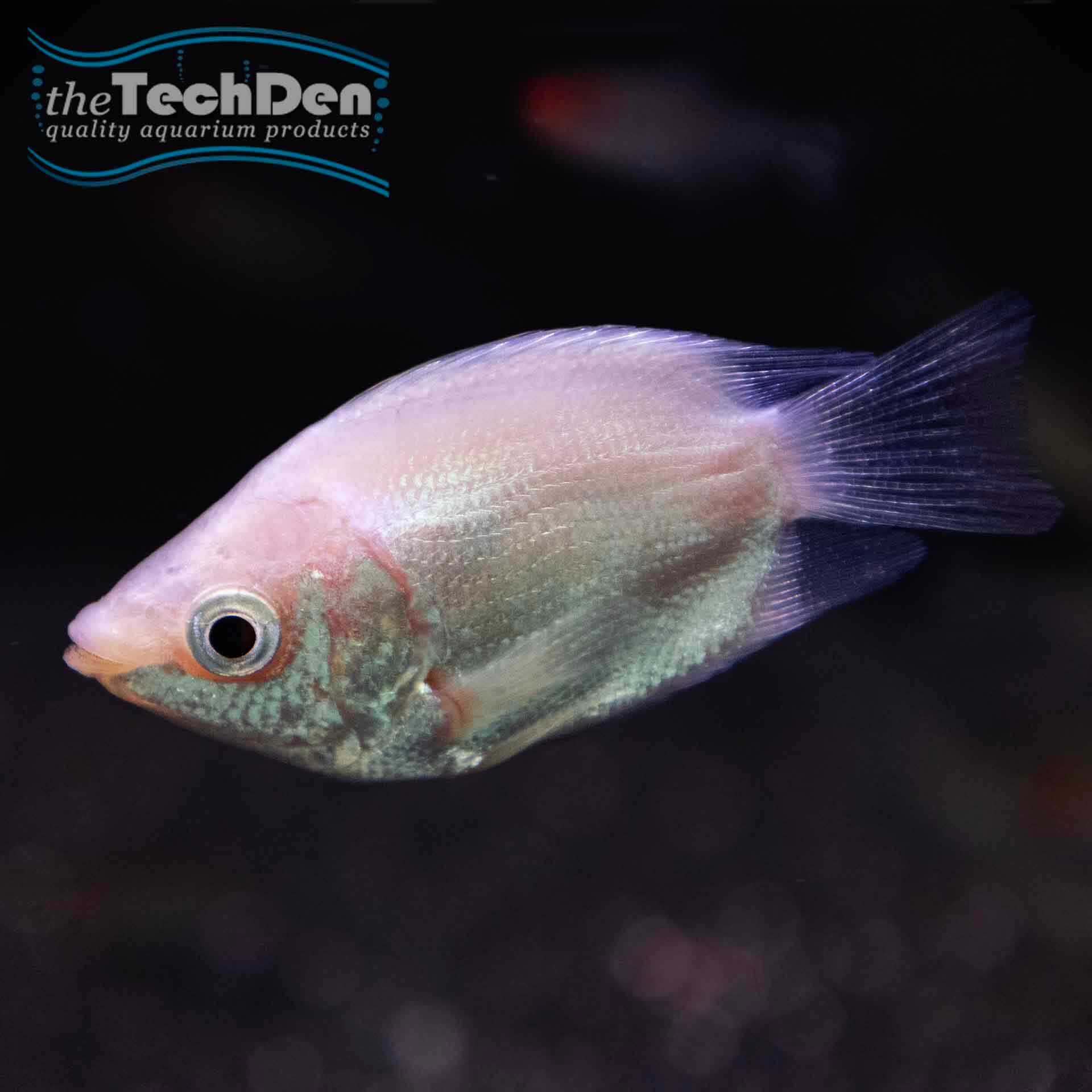
The Balloon Kissing Gourami is a selectively bred variety of the standard Pink Kissing Gourami (Helostoma temminkii). While the "balloon" name implies a smaller, cuter fish, they actually require quite a bit of care and a surprisingly large aquarium compared to standard community fish.
In Australia, these are often sold as "Balloon Pink Kissers" or "Short-bodied Kissing Gouramis."
Key Characteristics
Appearance: They have a compressed, rounded "balloon" body shape and a distinctively puckered mouth.
The "Kiss": The famous kissing action is actually a form of territorial sparring (usually between males) to establish dominance, rather than a sign of affection.
Size: While the standard variety can reach 25–30cm, the Balloon variety usually tops out at 12cm to 15cm in a home aquarium.
Lifespan: They are long-lived, often reaching 8 to 12 years with proper maintenance.
Important Tank Requirements
Surface Access: Like all gouramis, they have a labyrinth organ that allows them to breathe atmospheric air. Ensure there is a gap between the water surface and the tank lid.
Filtration: They produce a significant biological load. Use a high-quality canister or power filter, but keep the current moderate, as they prefer slower-moving water.
Decor & Plants: Use hardy plants like Java Fern or Anubias. They are notorious for nibbling on (or uprooting) softer, more delicate plants.
Diet and Feeding
Kissing Gouramis are omnivores with a high requirement for vegetable matter.
Algae Grazer: They will constantly "kiss" the glass and ornaments to rasp off algae.
Suggested Foods: High-quality spirulina flakes, algae wafers, and blanched vegetables (like zucchini, lettuce, or peas).
Protein: Supplement with frozen or live brine shrimp and bloodworms once or twice a week.
Compatibility
While generally peaceful, they can be "bossy" and may bully smaller or more timid fish.
Good Mates: Robust community fish like Silver Dollars, larger Rainbowfish, Bristlenose Plecos, and larger Barbs.
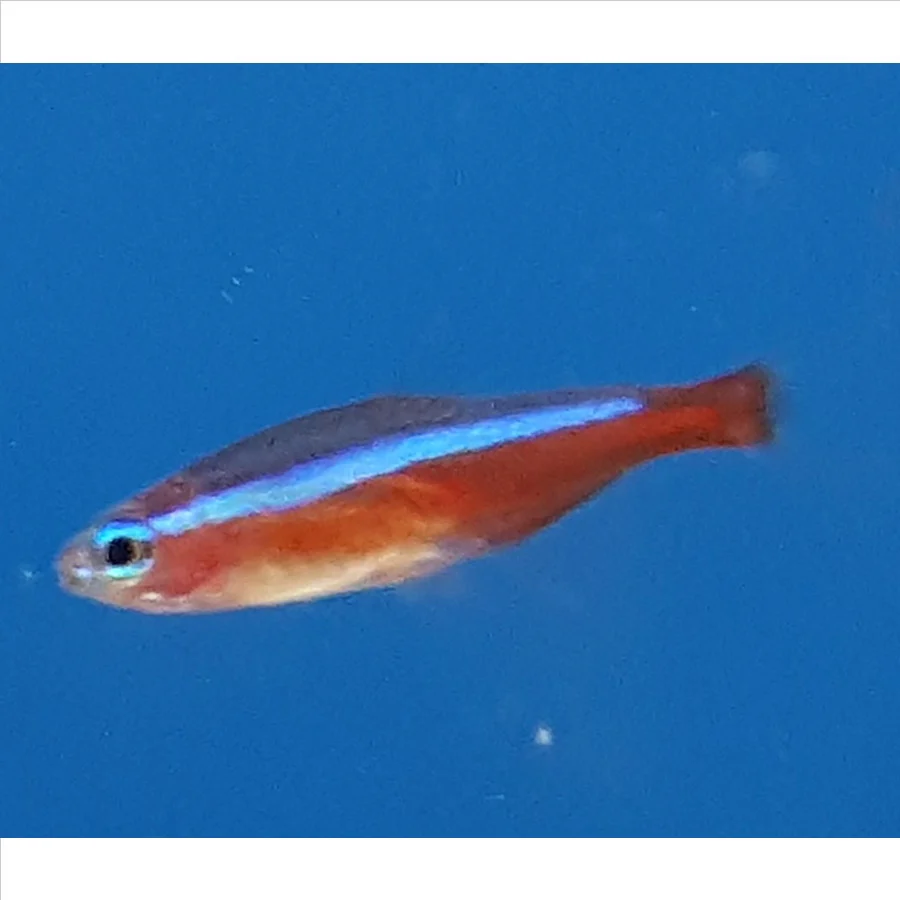
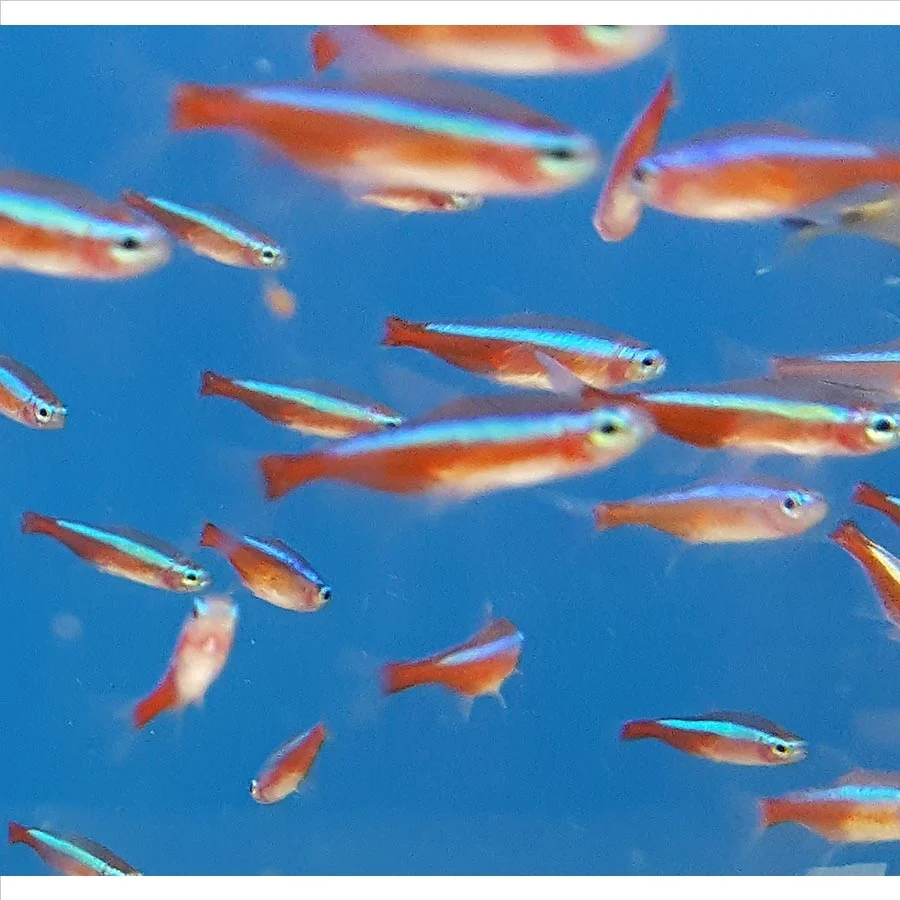
Avoid: Very small fish (like Neon Tetras) which may be viewed as food, or fish with long, flowing fins (like fancy Guppies) that might be nipped.
Health Note: The "balloon" body shape can sometimes lead to swim bladder issues. Avoid overfeeding and ensure they get plenty of fibre (vegetables) to keep their digestive system moving.
Description
No Online Purchases
The Balloon Kissing Gourami is a selectively bred variety of the standard Pink Kissing Gourami (Helostoma temminkii). While the "balloon" name implies a smaller, cuter fish, they actually require quite a bit of care and a surprisingly large aquarium compared to standard community fish.
In Australia, these are often sold as "Balloon Pink Kissers" or "Short-bodied Kissing Gouramis."
Key Characteristics
Appearance: They have a compressed, rounded "balloon" body shape and a distinctively puckered mouth.
The "Kiss": The famous kissing action is actually a form of territorial sparring (usually between males) to establish dominance, rather than a sign of affection.
Size: While the standard variety can reach 25–30cm, the Balloon variety usually tops out at 12cm to 15cm in a home aquarium.
Lifespan: They are long-lived, often reaching 8 to 12 years with proper maintenance.
Important Tank Requirements
Surface Access: Like all gouramis, they have a labyrinth organ that allows them to breathe atmospheric air. Ensure there is a gap between the water surface and the tank lid.
Filtration: They produce a significant biological load. Use a high-quality canister or power filter, but keep the current moderate, as they prefer slower-moving water.
Decor & Plants: Use hardy plants like Java Fern or Anubias. They are notorious for nibbling on (or uprooting) softer, more delicate plants.
Diet and Feeding
Kissing Gouramis are omnivores with a high requirement for vegetable matter.
Algae Grazer: They will constantly "kiss" the glass and ornaments to rasp off algae.
Suggested Foods: High-quality spirulina flakes, algae wafers, and blanched vegetables (like zucchini, lettuce, or peas).
Protein: Supplement with frozen or live brine shrimp and bloodworms once or twice a week.
Compatibility
While generally peaceful, they can be "bossy" and may bully smaller or more timid fish.
Good Mates: Robust community fish like Silver Dollars, larger Rainbowfish, Bristlenose Plecos, and larger Barbs.
Avoid: Very small fish (like Neon Tetras) which may be viewed as food, or fish with long, flowing fins (like fancy Guppies) that might be nipped.
Health Note: The "balloon" body shape can sometimes lead to swim bladder issues. Avoid overfeeding and ensure they get plenty of fibre (vegetables) to keep their digestive system moving.
Description
Description
No Online Purchases
The Balloon Kissing Gourami is a selectively bred variety of the standard Pink Kissing Gourami (Helostoma temminkii). While the "balloon" name implies a smaller, cuter fish, they actually require quite a bit of care and a surprisingly large aquarium compared to standard community fish.
In Australia, these are often sold as "Balloon Pink Kissers" or "Short-bodied Kissing Gouramis."
Key Characteristics
Appearance: They have a compressed, rounded "balloon" body shape and a distinctively puckered mouth.
The "Kiss": The famous kissing action is actually a form of territorial sparring (usually between males) to establish dominance, rather than a sign of affection.
Size: While the standard variety can reach 25–30cm, the Balloon variety usually tops out at 12cm to 15cm in a home aquarium.
Lifespan: They are long-lived, often reaching 8 to 12 years with proper maintenance.
Important Tank Requirements
Surface Access: Like all gouramis, they have a labyrinth organ that allows them to breathe atmospheric air. Ensure there is a gap between the water surface and the tank lid.
Filtration: They produce a significant biological load. Use a high-quality canister or power filter, but keep the current moderate, as they prefer slower-moving water.
Decor & Plants: Use hardy plants like Java Fern or Anubias. They are notorious for nibbling on (or uprooting) softer, more delicate plants.
Diet and Feeding
Kissing Gouramis are omnivores with a high requirement for vegetable matter.
Algae Grazer: They will constantly "kiss" the glass and ornaments to rasp off algae.
Suggested Foods: High-quality spirulina flakes, algae wafers, and blanched vegetables (like zucchini, lettuce, or peas).
Protein: Supplement with frozen or live brine shrimp and bloodworms once or twice a week.
Compatibility
While generally peaceful, they can be "bossy" and may bully smaller or more timid fish.
Good Mates: Robust community fish like Silver Dollars, larger Rainbowfish, Bristlenose Plecos, and larger Barbs.
Avoid: Very small fish (like Neon Tetras) which may be viewed as food, or fish with long, flowing fins (like fancy Guppies) that might be nipped.
Health Note: The "balloon" body shape can sometimes lead to swim bladder issues. Avoid overfeeding and ensure they get plenty of fibre (vegetables) to keep their digestive system moving.