
Black Cherry Shrimp - (No Online Purchases)
Description:
Keeping Black Cherry shrimp (Neocaridina davidi) is a fantastic way to add life and colour to a nano tank or a planted setup. These hardy little invertebrates are a deep, midnight-coloured variation of the popular Cherry shrimp, making them striking against green aquatic plants.
Here is everything you need to know to help them flourish in a home aquarium.
Temperature: 18°C – 26°C
pH Level: 6.5 – 8.0
gH (General Hardness): 4 – 8 dGH
kH (Carbonate Hardness): 2 – 5 dKH
Ammonia / Nitrite: 0 ppm
Nitrate: < 20 ppm
Tank Setup
Substrate: Use a dark substrate to make their black colour "pop." However, avoid specialised buffering soils designed for Caridina shrimp (like Bee shrimp) as these can pull the pH too low for Neocaridinas.
Filtration: A sponge filter is the gold standard. Power filters can easily suck up tiny shrimplets. If using a canister or internal filter, ensure the intake is covered with a fine mesh or pre-filter sponge.
Plants: They love "biofilm," which grows naturally on live plants. Java Moss, Anubias, and Floating Plants (like Frogbit) provide essential hiding spots and foraging surfaces.
Diet and Feeding
Black Cherries are natural scavengers. In a well-established tank, they will spend all day picking algae and biofilm off surfaces.
Shrimp Pellets: High-quality sinking wafers provide essential minerals.
Blanched Vegetables: They enjoy a treat of blanched zucchini, spinach, or broccoli. Remove any uneaten veg after 2–4 hours to avoid fouling the water.
Leaf Litter: Dried Indian Almond Leaves (Catappa leaves) are excellent. They release beneficial tannins and provide a surface for biofilm to grow, which serves as a constant food source.
Essential Care Tips
Warning: Copper is highly toxic to invertebrates. Always check that any fish medications or plant fertilisers used in the tank are "shrimp safe" and copper-free.
Acclimatisation: When bringing them home, use the drip acclimation method over 1–2 hours. This prevents osmotic shock caused by sudden changes in water chemistry.
Moulting: As they grow, they shed their exoskeleton. If you see a "white ghost" of a shrimp on the sand, don't panic! It's just an old shell. Leave it in the tank; they will often eat it to reclaim the calcium.
Water Changes: Aim for small, frequent water changes (10–20% weekly) rather than large ones to keep parameters stable.
Tank Mates
Because they are small, they are easily preyed upon.
Safe: Snails, Otocinclus catfish, and other Neocaridina colour morphs (though mixing colours will eventually result in "wild type" brown offspring).
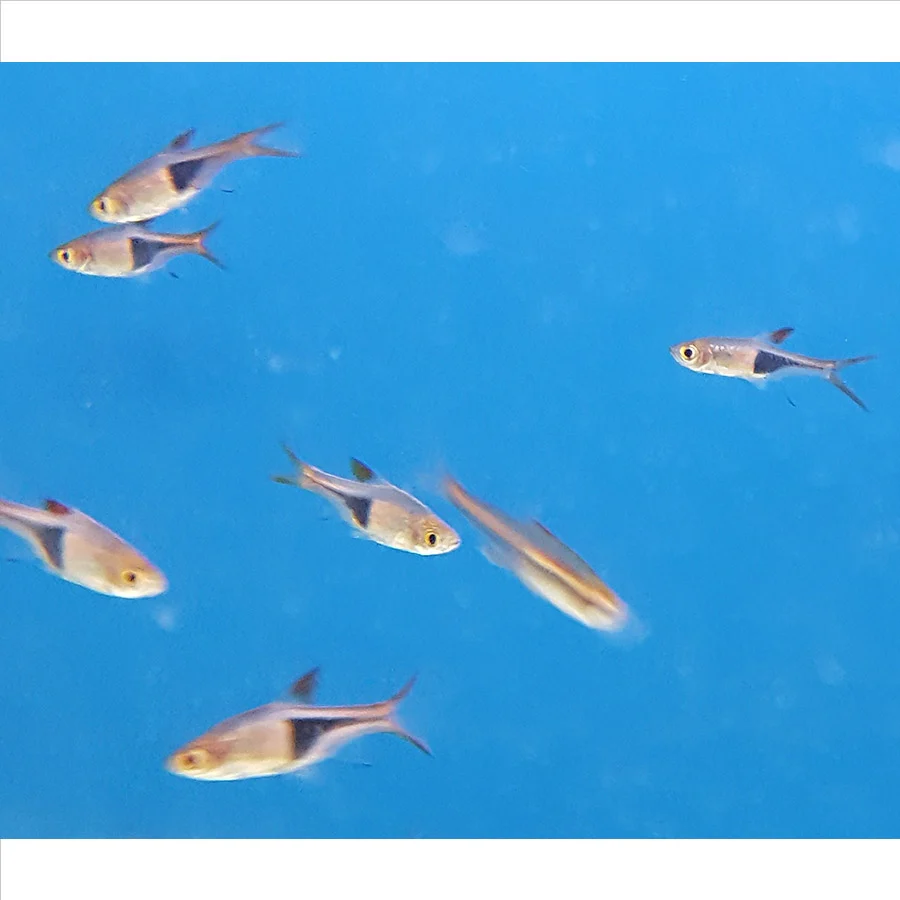
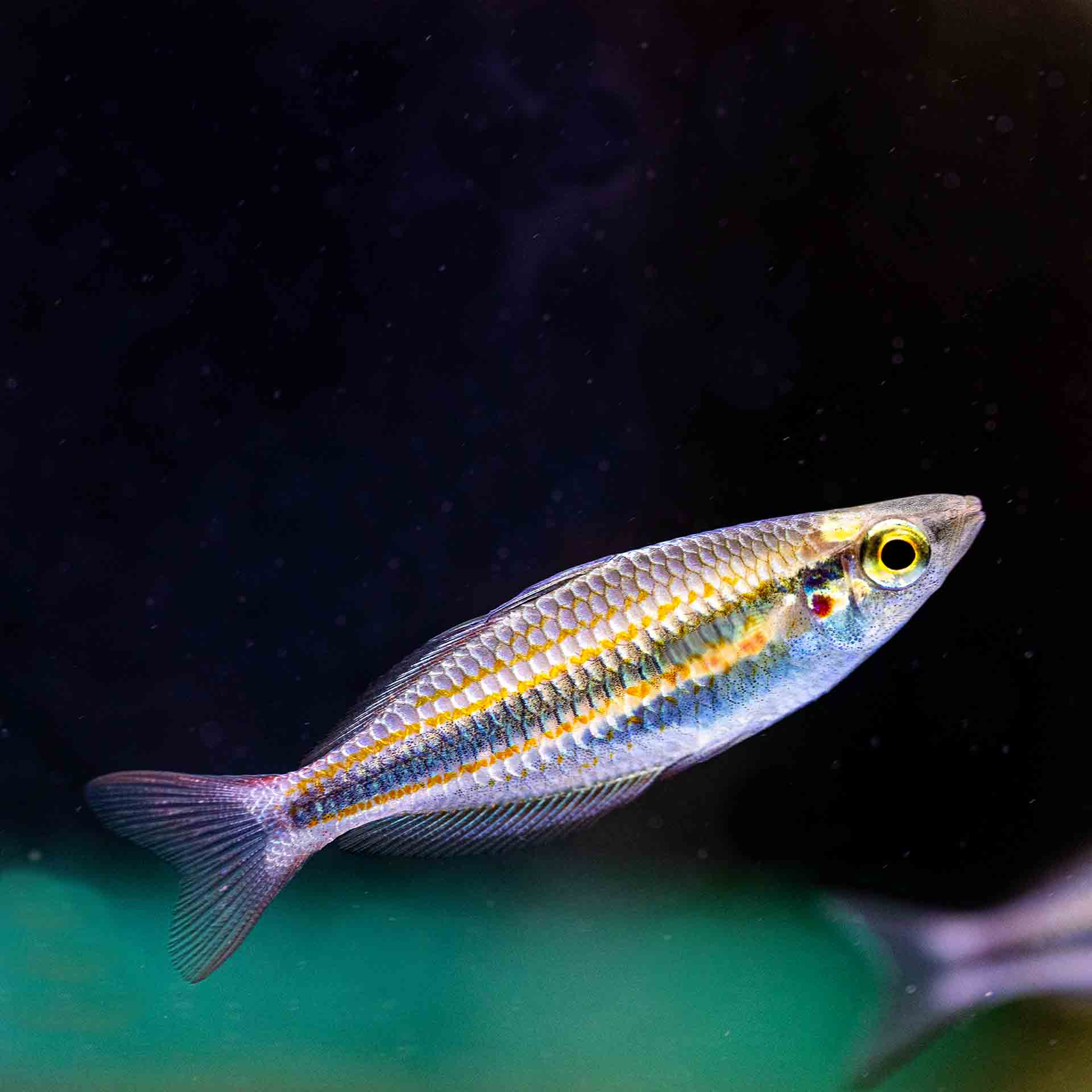
Caution: Small "nano" fish like Ember Tetras or Rasboras may co-exist, but they will likely eat any shrimplets that aren't well-hidden.
Avoid: Goldfish, Cichlids, and large Tetras.
Description:
Keeping Black Cherry shrimp (Neocaridina davidi) is a fantastic way to add life and colour to a nano tank or a planted setup. These hardy little invertebrates are a deep, midnight-coloured variation of the popular Cherry shrimp, making them striking against green aquatic plants.
Here is everything you need to know to help them flourish in a home aquarium.
Temperature: 18°C – 26°C
pH Level: 6.5 – 8.0
gH (General Hardness): 4 – 8 dGH
kH (Carbonate Hardness): 2 – 5 dKH
Ammonia / Nitrite: 0 ppm
Nitrate: < 20 ppm
Tank Setup
Substrate: Use a dark substrate to make their black colour "pop." However, avoid specialised buffering soils designed for Caridina shrimp (like Bee shrimp) as these can pull the pH too low for Neocaridinas.
Filtration: A sponge filter is the gold standard. Power filters can easily suck up tiny shrimplets. If using a canister or internal filter, ensure the intake is covered with a fine mesh or pre-filter sponge.
Plants: They love "biofilm," which grows naturally on live plants. Java Moss, Anubias, and Floating Plants (like Frogbit) provide essential hiding spots and foraging surfaces.
Diet and Feeding
Black Cherries are natural scavengers. In a well-established tank, they will spend all day picking algae and biofilm off surfaces.
Shrimp Pellets: High-quality sinking wafers provide essential minerals.
Blanched Vegetables: They enjoy a treat of blanched zucchini, spinach, or broccoli. Remove any uneaten veg after 2–4 hours to avoid fouling the water.
Leaf Litter: Dried Indian Almond Leaves (Catappa leaves) are excellent. They release beneficial tannins and provide a surface for biofilm to grow, which serves as a constant food source.
Essential Care Tips
Warning: Copper is highly toxic to invertebrates. Always check that any fish medications or plant fertilisers used in the tank are "shrimp safe" and copper-free.
Acclimatisation: When bringing them home, use the drip acclimation method over 1–2 hours. This prevents osmotic shock caused by sudden changes in water chemistry.
Moulting: As they grow, they shed their exoskeleton. If you see a "white ghost" of a shrimp on the sand, don't panic! It's just an old shell. Leave it in the tank; they will often eat it to reclaim the calcium.
Water Changes: Aim for small, frequent water changes (10–20% weekly) rather than large ones to keep parameters stable.
Tank Mates
Because they are small, they are easily preyed upon.
Safe: Snails, Otocinclus catfish, and other Neocaridina colour morphs (though mixing colours will eventually result in "wild type" brown offspring).
Caution: Small "nano" fish like Ember Tetras or Rasboras may co-exist, but they will likely eat any shrimplets that aren't well-hidden.
Avoid: Goldfish, Cichlids, and large Tetras.
Original: $6.16
-70%$6.16
$1.85Description
Description:
Keeping Black Cherry shrimp (Neocaridina davidi) is a fantastic way to add life and colour to a nano tank or a planted setup. These hardy little invertebrates are a deep, midnight-coloured variation of the popular Cherry shrimp, making them striking against green aquatic plants.
Here is everything you need to know to help them flourish in a home aquarium.
Temperature: 18°C – 26°C
pH Level: 6.5 – 8.0
gH (General Hardness): 4 – 8 dGH
kH (Carbonate Hardness): 2 – 5 dKH
Ammonia / Nitrite: 0 ppm
Nitrate: < 20 ppm
Tank Setup
Substrate: Use a dark substrate to make their black colour "pop." However, avoid specialised buffering soils designed for Caridina shrimp (like Bee shrimp) as these can pull the pH too low for Neocaridinas.
Filtration: A sponge filter is the gold standard. Power filters can easily suck up tiny shrimplets. If using a canister or internal filter, ensure the intake is covered with a fine mesh or pre-filter sponge.
Plants: They love "biofilm," which grows naturally on live plants. Java Moss, Anubias, and Floating Plants (like Frogbit) provide essential hiding spots and foraging surfaces.
Diet and Feeding
Black Cherries are natural scavengers. In a well-established tank, they will spend all day picking algae and biofilm off surfaces.
Shrimp Pellets: High-quality sinking wafers provide essential minerals.
Blanched Vegetables: They enjoy a treat of blanched zucchini, spinach, or broccoli. Remove any uneaten veg after 2–4 hours to avoid fouling the water.
Leaf Litter: Dried Indian Almond Leaves (Catappa leaves) are excellent. They release beneficial tannins and provide a surface for biofilm to grow, which serves as a constant food source.
Essential Care Tips
Warning: Copper is highly toxic to invertebrates. Always check that any fish medications or plant fertilisers used in the tank are "shrimp safe" and copper-free.
Acclimatisation: When bringing them home, use the drip acclimation method over 1–2 hours. This prevents osmotic shock caused by sudden changes in water chemistry.
Moulting: As they grow, they shed their exoskeleton. If you see a "white ghost" of a shrimp on the sand, don't panic! It's just an old shell. Leave it in the tank; they will often eat it to reclaim the calcium.
Water Changes: Aim for small, frequent water changes (10–20% weekly) rather than large ones to keep parameters stable.
Tank Mates
Because they are small, they are easily preyed upon.
Safe: Snails, Otocinclus catfish, and other Neocaridina colour morphs (though mixing colours will eventually result in "wild type" brown offspring).
Caution: Small "nano" fish like Ember Tetras or Rasboras may co-exist, but they will likely eat any shrimplets that aren't well-hidden.
Avoid: Goldfish, Cichlids, and large Tetras.