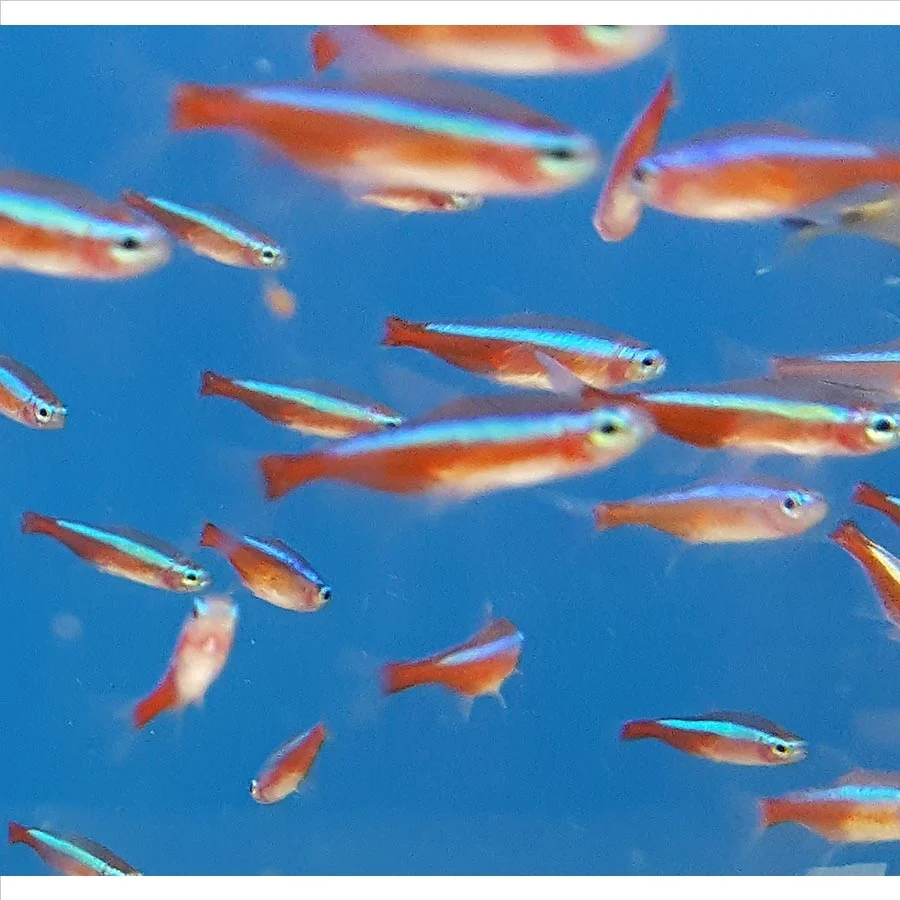

Gold Nugget Wrasse - (No Online Purchases)
Description
Scientific Name: The Gold Nugget Wrasse is scientifically known as Xenojulis margaritaceus. It is also sometimes referred to as the Finspot Wrasse or Pearl Wrasse.
Appearance:
- They have a tan to orange body adorned with numerous small, bright spots that resemble gold nuggets.
- Some males, known as "super males," can exhibit a metallic green coloration with red spots.
- They have a streamlined body shape typical of wrasses.
Size:
- Gold Nugget Wrasses are relatively small, reaching a maximum size of around 4-5 inches (10-12 cm).
Tank Requirements:
- A minimum tank size of 50-55 gallons (around 200 liters) is recommended due to their active nature and need for swimming space.
- They require a deep sand bed (several inches) as they bury themselves in the sand to sleep at night or when feeling threatened.
- Plenty of live rock is essential to provide hiding places and promote natural behaviors. A tight-fitting lid is crucial as they are known to jump.
Water Parameters:
- Temperature: 72-78°F (22-26°C)
- Salinity: 1.020-1.025 specific gravity (sg)
- pH: 8.1-8.4
- Alkalinity: 8-12 dKH
- Nitrate: Ideally 0 ppm, or as low as possible
Temperament:
- Generally considered peaceful and can be a good addition to a community reef tank.
- However, they can be semi-aggressive towards other wrasses, especially those with similar body shapes or colors. It's best to introduce them simultaneously or avoid housing them with closely related species.
- They may nip at small, delicate invertebrates, so caution is advised when keeping them in a reef tank with such creatures. Larger, more robust invertebrates are usually safe.
Diet:
- Gold Nugget Wrasses are carnivores.
- Their diet should consist of high-quality frozen or live meaty foods, such as:
- Mysis shrimp
- Brine shrimp
- Finely chopped seafood
Reef Compatibility:
- Generally considered reef safe, but they may prey on small crustaceans and worms. Exercise caution when housing them with prized or delicate invertebrates.
Care Level:
- Considered moderate due to their specific needs, such as a deep sand bed and appropriate tank mates.
Tank Mates:
-
Good tank mates include other peaceful to semi-aggressive fish that won't bother them. Consider:
- Small gobies
- Blennies
- Dartfish
- Other peaceful wrasses (with caution and proper planning)
- Avoid housing them with aggressive fish that may intimidate or harm them.
Description
Scientific Name: The Gold Nugget Wrasse is scientifically known as Xenojulis margaritaceus. It is also sometimes referred to as the Finspot Wrasse or Pearl Wrasse.
Appearance:
- They have a tan to orange body adorned with numerous small, bright spots that resemble gold nuggets.
- Some males, known as "super males," can exhibit a metallic green coloration with red spots.
- They have a streamlined body shape typical of wrasses.
Size:
- Gold Nugget Wrasses are relatively small, reaching a maximum size of around 4-5 inches (10-12 cm).
Tank Requirements:
- A minimum tank size of 50-55 gallons (around 200 liters) is recommended due to their active nature and need for swimming space.
- They require a deep sand bed (several inches) as they bury themselves in the sand to sleep at night or when feeling threatened.
- Plenty of live rock is essential to provide hiding places and promote natural behaviors. A tight-fitting lid is crucial as they are known to jump.
Water Parameters:
- Temperature: 72-78°F (22-26°C)
- Salinity: 1.020-1.025 specific gravity (sg)
- pH: 8.1-8.4
- Alkalinity: 8-12 dKH
- Nitrate: Ideally 0 ppm, or as low as possible
Temperament:
- Generally considered peaceful and can be a good addition to a community reef tank.
- However, they can be semi-aggressive towards other wrasses, especially those with similar body shapes or colors. It's best to introduce them simultaneously or avoid housing them with closely related species.
- They may nip at small, delicate invertebrates, so caution is advised when keeping them in a reef tank with such creatures. Larger, more robust invertebrates are usually safe.
Diet:
- Gold Nugget Wrasses are carnivores.
- Their diet should consist of high-quality frozen or live meaty foods, such as:
- Mysis shrimp
- Brine shrimp
- Finely chopped seafood
Reef Compatibility:
- Generally considered reef safe, but they may prey on small crustaceans and worms. Exercise caution when housing them with prized or delicate invertebrates.
Care Level:
- Considered moderate due to their specific needs, such as a deep sand bed and appropriate tank mates.
Tank Mates:
-
Good tank mates include other peaceful to semi-aggressive fish that won't bother them. Consider:
- Small gobies
- Blennies
- Dartfish
- Other peaceful wrasses (with caution and proper planning)
- Avoid housing them with aggressive fish that may intimidate or harm them.
Description
Description
Scientific Name: The Gold Nugget Wrasse is scientifically known as Xenojulis margaritaceus. It is also sometimes referred to as the Finspot Wrasse or Pearl Wrasse.
Appearance:
- They have a tan to orange body adorned with numerous small, bright spots that resemble gold nuggets.
- Some males, known as "super males," can exhibit a metallic green coloration with red spots.
- They have a streamlined body shape typical of wrasses.
Size:
- Gold Nugget Wrasses are relatively small, reaching a maximum size of around 4-5 inches (10-12 cm).
Tank Requirements:
- A minimum tank size of 50-55 gallons (around 200 liters) is recommended due to their active nature and need for swimming space.
- They require a deep sand bed (several inches) as they bury themselves in the sand to sleep at night or when feeling threatened.
- Plenty of live rock is essential to provide hiding places and promote natural behaviors. A tight-fitting lid is crucial as they are known to jump.
Water Parameters:
- Temperature: 72-78°F (22-26°C)
- Salinity: 1.020-1.025 specific gravity (sg)
- pH: 8.1-8.4
- Alkalinity: 8-12 dKH
- Nitrate: Ideally 0 ppm, or as low as possible
Temperament:
- Generally considered peaceful and can be a good addition to a community reef tank.
- However, they can be semi-aggressive towards other wrasses, especially those with similar body shapes or colors. It's best to introduce them simultaneously or avoid housing them with closely related species.
- They may nip at small, delicate invertebrates, so caution is advised when keeping them in a reef tank with such creatures. Larger, more robust invertebrates are usually safe.
Diet:
- Gold Nugget Wrasses are carnivores.
- Their diet should consist of high-quality frozen or live meaty foods, such as:
- Mysis shrimp
- Brine shrimp
- Finely chopped seafood
Reef Compatibility:
- Generally considered reef safe, but they may prey on small crustaceans and worms. Exercise caution when housing them with prized or delicate invertebrates.
Care Level:
- Considered moderate due to their specific needs, such as a deep sand bed and appropriate tank mates.
Tank Mates:
-
Good tank mates include other peaceful to semi-aggressive fish that won't bother them. Consider:
- Small gobies
- Blennies
- Dartfish
- Other peaceful wrasses (with caution and proper planning)
- Avoid housing them with aggressive fish that may intimidate or harm them.