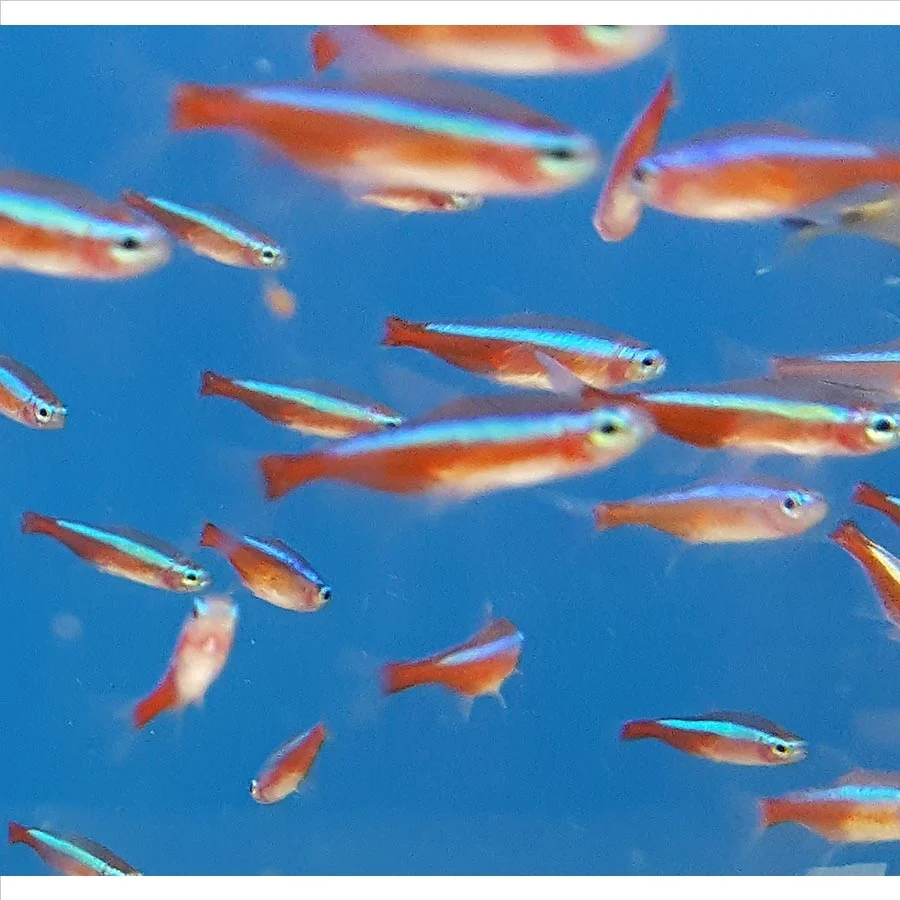

Pink Skunk Clownfish - (No Online Purchases)
Description
The Pink Skunk Clownfish (Amphiprion perideraion) is a popular and relatively peaceful marine fish known for its pink/orange body and a single white stripe along its dorsal ridge.
Habitat: They thrive with live rock for structure and hiding spots. They appreciate moderate water flow.
Anemone Host: While they can survive without an anemone, providing a suitable host (like Heteractis magnifica or a Bubble Tip Anemone) allows them to exhibit natural behaviour, which is highly rewarding to observe.
Diet and Feeding
The Pink Skunk Clownfish is an omnivore and is generally not a picky eater. A varied diet is essential for their long-term health and colour.
Primary Diet: High-quality marine flake or pellet food.
Supplement: Frozen or live foods like mysis shrimp, brine shrimp, finely chopped seafood, and occasional algae (like nori or spirulina).
Frequency: Feed small portions 1–2 times per day, only what they can consume in a few minutes.
Social Behaviour and Breeding
Social: They are typically kept in pairs (a large female and a smaller male). They are protandrous hermaphrodites, meaning all are born male, and the largest individual will become the female in a pair.
Tank Mates: They are generally peaceful and compatible with other non-aggressive, reef-safe fish such as gobies, dartfish, and some small wrasses. Avoid keeping them with larger, overly aggressive species or other species of clownfish to prevent territorial disputes.
Breeding: They are one of the clownfish species that are bred in captivity. The female lays eggs, usually on a flat surface near their host, and the male guards and tends to them until they hatch. Do you have a specific question about keeping Pink Skunk Clownfish, or would you like to know more about compatible tank mates?


Description
The Pink Skunk Clownfish (Amphiprion perideraion) is a popular and relatively peaceful marine fish known for its pink/orange body and a single white stripe along its dorsal ridge.
Habitat: They thrive with live rock for structure and hiding spots. They appreciate moderate water flow.
Anemone Host: While they can survive without an anemone, providing a suitable host (like Heteractis magnifica or a Bubble Tip Anemone) allows them to exhibit natural behaviour, which is highly rewarding to observe.
Diet and Feeding
The Pink Skunk Clownfish is an omnivore and is generally not a picky eater. A varied diet is essential for their long-term health and colour.
Primary Diet: High-quality marine flake or pellet food.
Supplement: Frozen or live foods like mysis shrimp, brine shrimp, finely chopped seafood, and occasional algae (like nori or spirulina).
Frequency: Feed small portions 1–2 times per day, only what they can consume in a few minutes.
Social Behaviour and Breeding
Social: They are typically kept in pairs (a large female and a smaller male). They are protandrous hermaphrodites, meaning all are born male, and the largest individual will become the female in a pair.
Tank Mates: They are generally peaceful and compatible with other non-aggressive, reef-safe fish such as gobies, dartfish, and some small wrasses. Avoid keeping them with larger, overly aggressive species or other species of clownfish to prevent territorial disputes.
Breeding: They are one of the clownfish species that are bred in captivity. The female lays eggs, usually on a flat surface near their host, and the male guards and tends to them until they hatch. Do you have a specific question about keeping Pink Skunk Clownfish, or would you like to know more about compatible tank mates?
Original: $51.59
-70%$51.59
$15.48Description
Description
The Pink Skunk Clownfish (Amphiprion perideraion) is a popular and relatively peaceful marine fish known for its pink/orange body and a single white stripe along its dorsal ridge.
Habitat: They thrive with live rock for structure and hiding spots. They appreciate moderate water flow.
Anemone Host: While they can survive without an anemone, providing a suitable host (like Heteractis magnifica or a Bubble Tip Anemone) allows them to exhibit natural behaviour, which is highly rewarding to observe.
Diet and Feeding
The Pink Skunk Clownfish is an omnivore and is generally not a picky eater. A varied diet is essential for their long-term health and colour.
Primary Diet: High-quality marine flake or pellet food.
Supplement: Frozen or live foods like mysis shrimp, brine shrimp, finely chopped seafood, and occasional algae (like nori or spirulina).
Frequency: Feed small portions 1–2 times per day, only what they can consume in a few minutes.
Social Behaviour and Breeding
Social: They are typically kept in pairs (a large female and a smaller male). They are protandrous hermaphrodites, meaning all are born male, and the largest individual will become the female in a pair.
Tank Mates: They are generally peaceful and compatible with other non-aggressive, reef-safe fish such as gobies, dartfish, and some small wrasses. Avoid keeping them with larger, overly aggressive species or other species of clownfish to prevent territorial disputes.
Breeding: They are one of the clownfish species that are bred in captivity. The female lays eggs, usually on a flat surface near their host, and the male guards and tends to them until they hatch. Do you have a specific question about keeping Pink Skunk Clownfish, or would you like to know more about compatible tank mates?