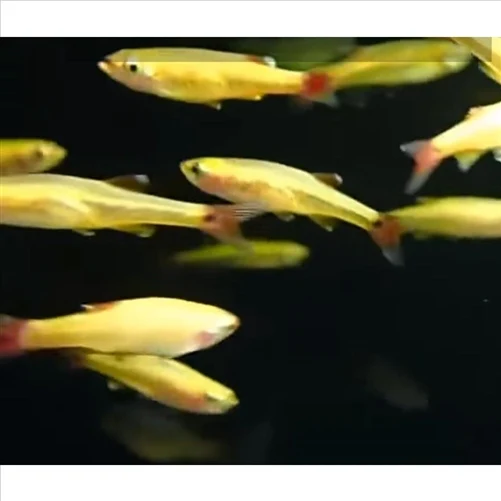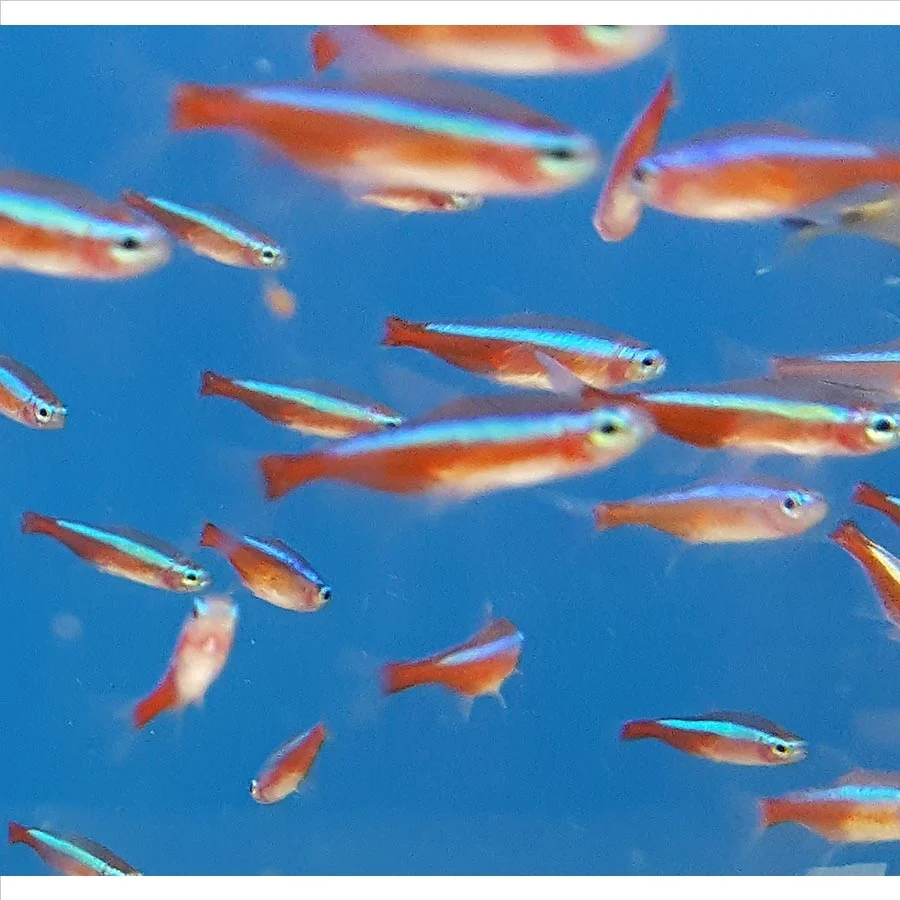

Six Banded Panchax - (No Online Purchases)
Directions:
Epiplatys sexfasciatus
Keeping the Six-banded Panchax (Epiplatys sexfasciatus) is a rewarding choice for any aquarist interested in African killifish. These fish are known for their striking appearance, predatory nature (at the surface), and distinctive dark vertical bands.
Aquarium Setup
The most critical thing to remember about E. sexfasciatus is that they are expert jumpers. In the wild, they leap to catch insects or escape predators.
Lid Security: A tight-fitting lid with no gaps is non-negotiable. If there is a hole for a heater cable, plug it with sponge or mesh.
Surface Cover: They spend most of their time at the top of the water column. Provide plenty of floating plants (like Duckweed, Frogbit, or Water Lettuce) to make them feel secure and mimic their natural habitat.
Decor: Use driftwood and tall plants to create "broken" lines of sight. This helps manage aggression if you have multiple males.
Behaviour & Tank Mates
While generally peaceful toward fish they cannot swallow, they are predators.
The "Mouth Rule": If a tank mate (like a small neon tetra or shrimp) can fit in their mouth, it will eventually become a snack.
Compatibility: They do well with medium-sized peaceful fish like Congo Tetras, Gouramis, or Corydoras.
Social Structure: You can keep them in pairs or a small group (one male to several females) to spread out any territorial behaviour from the male.
Diet & Feeding
In their natural environment, they are surface-dwelling insectivores. To keep their colours vibrant:
High Protein: Focus on frozen or live foods like bloodworms, brine shrimp, and daphnia.
Surface Feeders: They prefer food that stays at the surface. They may ignore food once it sinks to the bottom.
Treats: If you can source flightless fruit flies (Drosophila), they will absolutely love the hunt.
Note on Breeding: If you intend to breed them, use "spawning mops" or dense clumps of Java Moss. They are egg-scatterers, and the parents will unfortunately eat the fry if they aren't separated.
Tank Size: Minimum 60 Litres
Water Temperature: 22°C – 28°C
pH: 6.0 - 7.5 (Slightly acidic is best)
Water hardness: Soft to medium (5-12 dGH)
Max Size: 10cm
Directions:
Epiplatys sexfasciatus
Keeping the Six-banded Panchax (Epiplatys sexfasciatus) is a rewarding choice for any aquarist interested in African killifish. These fish are known for their striking appearance, predatory nature (at the surface), and distinctive dark vertical bands.
Aquarium Setup
The most critical thing to remember about E. sexfasciatus is that they are expert jumpers. In the wild, they leap to catch insects or escape predators.
Lid Security: A tight-fitting lid with no gaps is non-negotiable. If there is a hole for a heater cable, plug it with sponge or mesh.
Surface Cover: They spend most of their time at the top of the water column. Provide plenty of floating plants (like Duckweed, Frogbit, or Water Lettuce) to make them feel secure and mimic their natural habitat.
Decor: Use driftwood and tall plants to create "broken" lines of sight. This helps manage aggression if you have multiple males.
Behaviour & Tank Mates
While generally peaceful toward fish they cannot swallow, they are predators.
The "Mouth Rule": If a tank mate (like a small neon tetra or shrimp) can fit in their mouth, it will eventually become a snack.
Compatibility: They do well with medium-sized peaceful fish like Congo Tetras, Gouramis, or Corydoras.
Social Structure: You can keep them in pairs or a small group (one male to several females) to spread out any territorial behaviour from the male.
Diet & Feeding
In their natural environment, they are surface-dwelling insectivores. To keep their colours vibrant:
High Protein: Focus on frozen or live foods like bloodworms, brine shrimp, and daphnia.
Surface Feeders: They prefer food that stays at the surface. They may ignore food once it sinks to the bottom.
Treats: If you can source flightless fruit flies (Drosophila), they will absolutely love the hunt.
Note on Breeding: If you intend to breed them, use "spawning mops" or dense clumps of Java Moss. They are egg-scatterers, and the parents will unfortunately eat the fry if they aren't separated.
Tank Size: Minimum 60 Litres
Water Temperature: 22°C – 28°C
pH: 6.0 - 7.5 (Slightly acidic is best)
Water hardness: Soft to medium (5-12 dGH)
Max Size: 10cm
Description
Directions:
Epiplatys sexfasciatus
Keeping the Six-banded Panchax (Epiplatys sexfasciatus) is a rewarding choice for any aquarist interested in African killifish. These fish are known for their striking appearance, predatory nature (at the surface), and distinctive dark vertical bands.
Aquarium Setup
The most critical thing to remember about E. sexfasciatus is that they are expert jumpers. In the wild, they leap to catch insects or escape predators.
Lid Security: A tight-fitting lid with no gaps is non-negotiable. If there is a hole for a heater cable, plug it with sponge or mesh.
Surface Cover: They spend most of their time at the top of the water column. Provide plenty of floating plants (like Duckweed, Frogbit, or Water Lettuce) to make them feel secure and mimic their natural habitat.
Decor: Use driftwood and tall plants to create "broken" lines of sight. This helps manage aggression if you have multiple males.
Behaviour & Tank Mates
While generally peaceful toward fish they cannot swallow, they are predators.
The "Mouth Rule": If a tank mate (like a small neon tetra or shrimp) can fit in their mouth, it will eventually become a snack.
Compatibility: They do well with medium-sized peaceful fish like Congo Tetras, Gouramis, or Corydoras.
Social Structure: You can keep them in pairs or a small group (one male to several females) to spread out any territorial behaviour from the male.
Diet & Feeding
In their natural environment, they are surface-dwelling insectivores. To keep their colours vibrant:
High Protein: Focus on frozen or live foods like bloodworms, brine shrimp, and daphnia.
Surface Feeders: They prefer food that stays at the surface. They may ignore food once it sinks to the bottom.
Treats: If you can source flightless fruit flies (Drosophila), they will absolutely love the hunt.
Note on Breeding: If you intend to breed them, use "spawning mops" or dense clumps of Java Moss. They are egg-scatterers, and the parents will unfortunately eat the fry if they aren't separated.
Tank Size: Minimum 60 Litres
Water Temperature: 22°C – 28°C
pH: 6.0 - 7.5 (Slightly acidic is best)
Water hardness: Soft to medium (5-12 dGH)
Max Size: 10cm